Brian McKenzie
Western Thunderer
Tony,
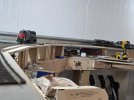
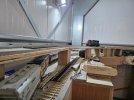
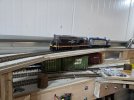
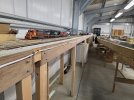
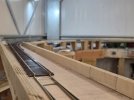
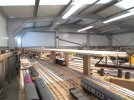
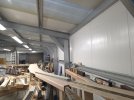
My hobby space is heavily insulated with thick sheets of polystyrene behind the wall and ceiling linings. It's very effective at maintaining the temperature within - but when the internal temperature falls during winter months, the insulation unhelpfully keeps it like a fridge! External aluminium tilt doors have unlined 50mm polystyrene glued to the inside face. Never any condensation evident anywhere, and happily never any need to oil up bare steel materials and tools/machinery for protection.
It's a large area - so a bit costly to heat if not in regular use during the coldest winter period. A heat pump gets used then, above one limited work bench area. The polystyrene insulation is best at sheltering from bursts of high summer temperatures.
As I learnt from the electrician, avoid pulling standard PVC electrical cable through polystyrene, as plasticizers migrate, causing deterioration of both materials - and the possibility of a 'short', or a fire in the worst case, where there is any movement of the cable. Use non-migratory cable, which is often coloured purple for easy identification. This explains the sticky goey mess you may have seen in cable sheathing when it's been in contact with polystyrene.
-Brian McK.
My hobby space is heavily insulated with thick sheets of polystyrene behind the wall and ceiling linings. It's very effective at maintaining the temperature within - but when the internal temperature falls during winter months, the insulation unhelpfully keeps it like a fridge! External aluminium tilt doors have unlined 50mm polystyrene glued to the inside face. Never any condensation evident anywhere, and happily never any need to oil up bare steel materials and tools/machinery for protection.
It's a large area - so a bit costly to heat if not in regular use during the coldest winter period. A heat pump gets used then, above one limited work bench area. The polystyrene insulation is best at sheltering from bursts of high summer temperatures.
As I learnt from the electrician, avoid pulling standard PVC electrical cable through polystyrene, as plasticizers migrate, causing deterioration of both materials - and the possibility of a 'short', or a fire in the worst case, where there is any movement of the cable. Use non-migratory cable, which is often coloured purple for easy identification. This explains the sticky goey mess you may have seen in cable sheathing when it's been in contact with polystyrene.
-Brian McK.