mickoo
Western Thunderer
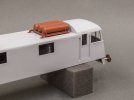
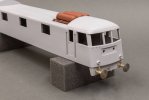
The class 84 headcode panel is also slightly lower and gives them a distinctive underbite jaw appearance.
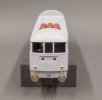
Windscreens should all be the same as I think that was a common component designated by the BR design panel, what throws it off are the subtle differences in corner posts. Both the driver and second man screens taper inward at the top.
The AL2 is distinct in being the only class with no roll under of the side panels, the joint being 90° except the front and corners which have a small roll under.
Class AL3 are the shortest of the lot and that's a mainly why I like them, they appear more compact and purposeful, plus I like the cluttered swing link bogie design.
Class 81 and 85 are all but identical, AEI built the AL1 and BR built the AL5 but with AEI equipment, the only change was the body side construction, the AL1 is a full trough smooth sided design from cant rail to solebar and the roof panels are removable for access. The AL5 has a cut down body side which is integral from below the grills to the solebar. The whole section of roof including the side grills comes off as several sections.
AL6 is a direct descendent of AL5, the only changes were to the cab front below the windscreen and cab roof profile, they also went from bogie suspended motors with flexible drives to axle hung nose suspended motors with catastrophic results. The unsprung mass went from 0.75t on the AL1-5 to 1.5 - 2.5t (depending on sources) on the AL6 and within a few years they pounded the WCML into the ground and had to be limited to 80mph eventually.
A redesign of the suspension with external springs helped but the rubber insert (SAAB) wheels was the biggest win, whilst the unsprung mass didn't change it now had a flexible barrier between it and the rim. Modified engines were passed for 100 but the remaining were limited to 80 and freight duties, parcels or extra/secondary passenger services at 80mph.
The flexicoil bogie was further refined on three examples as test beds for the 87, other than that and the change from three to two screens there's visually little differences between 86 and 87.
Windscreens should all be the same as I think that was a common component designated by the BR design panel, what throws it off are the subtle differences in corner posts. Both the driver and second man screens taper inward at the top.
The AL2 is distinct in being the only class with no roll under of the side panels, the joint being 90° except the front and corners which have a small roll under.
Class AL3 are the shortest of the lot and that's a mainly why I like them, they appear more compact and purposeful, plus I like the cluttered swing link bogie design.
Class 81 and 85 are all but identical, AEI built the AL1 and BR built the AL5 but with AEI equipment, the only change was the body side construction, the AL1 is a full trough smooth sided design from cant rail to solebar and the roof panels are removable for access. The AL5 has a cut down body side which is integral from below the grills to the solebar. The whole section of roof including the side grills comes off as several sections.
AL6 is a direct descendent of AL5, the only changes were to the cab front below the windscreen and cab roof profile, they also went from bogie suspended motors with flexible drives to axle hung nose suspended motors with catastrophic results. The unsprung mass went from 0.75t on the AL1-5 to 1.5 - 2.5t (depending on sources) on the AL6 and within a few years they pounded the WCML into the ground and had to be limited to 80mph eventually.
A redesign of the suspension with external springs helped but the rubber insert (SAAB) wheels was the biggest win, whilst the unsprung mass didn't change it now had a flexible barrier between it and the rim. Modified engines were passed for 100 but the remaining were limited to 80 and freight duties, parcels or extra/secondary passenger services at 80mph.
The flexicoil bogie was further refined on three examples as test beds for the 87, other than that and the change from three to two screens there's visually little differences between 86 and 87.